Why Early Warm Spells Can Trap Tender Warm-Season Starts
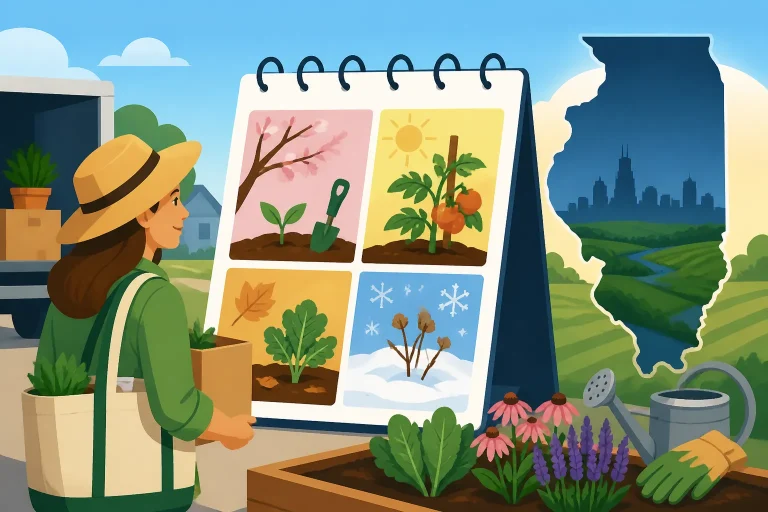
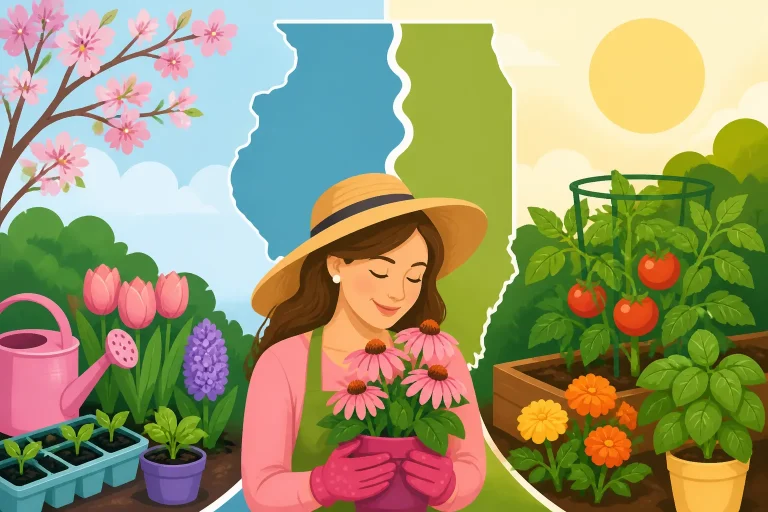
An early warm spell can make Illinois gardens look ready for tomatoes, peppers, cucumbers, and other tender crops. But a sunny afternoon is not proof that nights are safe or the soil has warmed enough. The key is to judge the whole planting window, then use gradual acclimation and simple protection to avoid losing promising starts.
Why an early warm spell can be misleading
A run of mild days changes how a garden feels. Beds become easier to work, seedlings grow quickly indoors, and the forecast may show daytime temperatures that seem inviting. Those signs can encourage an early planting decision, even though tender crops respond to conditions beyond afternoon warmth.
Warm-season vegetables are sensitive to cold. A chilly night can slow a newly transplanted plant, while frost can injure or kill tender growth. Soil can also lag behind the air: a bed may feel warm on the surface while remaining cool and damp below. A plant set into those conditions may struggle to establish roots, even if the weather seems pleasant during the day.
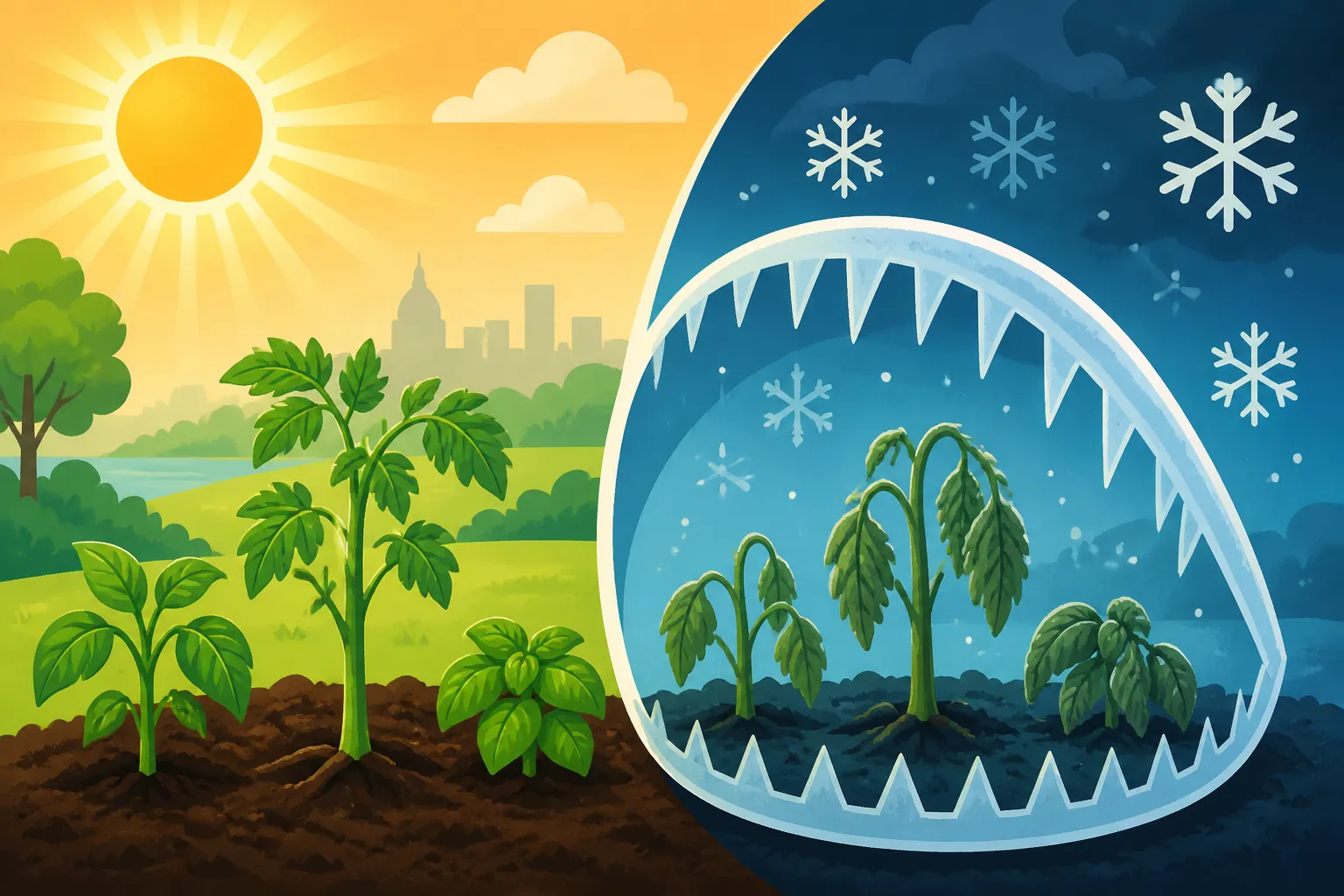
The bigger risk is that an early warm spell can be temporary. A change in wind, clouds, or air movement may bring colder nights back after several comfortable afternoons. Tender seedlings that have moved outdoors may then face conditions they were not prepared to handle. A plant does not become cold-hardy just because the calendar has advanced or the garden has had a brief warm stretch.
The problem is not limited to frost. Cold, wet ground can slow root activity and make it harder for young plants to settle in. A seedling that stalls after planting may take time to resume growth, and stress can leave it less able to cope with later weather swings. It may survive, but planting early does not necessarily mean harvesting early.
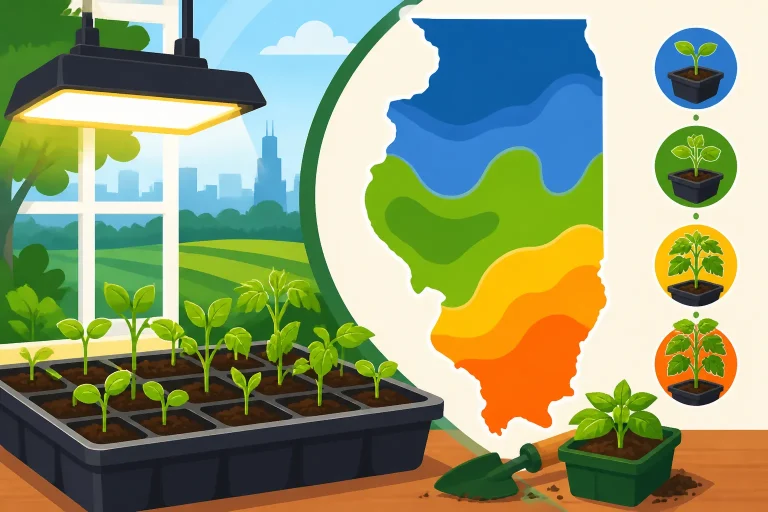
Illinois gardeners have another complication: conditions can differ across the state and even between nearby yards. A sheltered bed beside a building may warm sooner than an exposed garden. A low spot may hold colder air, while a sunny, protected corner may feel noticeably milder. Those differences are useful to understand, but they do not make a short-lived warm spell a dependable signal for every part of the garden.
For tender plants, the Illinois State Water Survey, Prairie Research Institute advises: Add two weeks to the average date in the spring. Use that buffer as a reminder to plan conservatively rather than treating one warm afternoon as a green light. For a broader look at the role of changing conditions, see Managing Seasonal Weather Swings in Illinois Home Gardens and Why Mid-May Ground Temps Matter More Than an April Heat Wave.
Read the whole planting window, not one warm afternoon
A better planting decision comes from combining several signals. No single cue—whether it is a sunny forecast, a calendar date, or a warm-feeling bed—can tell you that tender crops are ready to go outdoors. Consider the plant, the ground, and the weather together.
Check the forecast beyond the daytime high
Look at the expected overnight conditions as well as the daytime outlook. A forecast that promises warm afternoons but cool nights may still be stressful for tender starts. Pay attention to changing conditions over the coming stretch, not just the day you hope to plant. If colder weather is forecast soon after planting, waiting can be simpler than trying to protect a full bed.
A forecast is guidance, not a guarantee. Conditions can shift, and one neighborhood may not match the nearest weather station. Use the forecast to identify risk, then consider how your garden’s exposure might affect the plants. An open, windy plot may cool differently from a sheltered space near a wall, and a low-lying bed may be more vulnerable than a raised, well-drained one.
Look at the soil, not only the air
Soil that remains cold or saturated can make planting a poor bet even when the afternoon is warm. Check whether the bed is workable without smearing, clumping, or sticking heavily to tools. If it is wet enough to compress into a dense mass, avoid digging or planting into it; working wet ground can damage its structure. The practical test is whether the soil crumbles rather than behaving like a sticky lump.
Cool, wet soil is especially unhelpful for crops that prefer warmer conditions. It can slow establishment and leave young roots in an environment where they are not growing vigorously. Raised beds may warm and drain differently from in-ground plots, but they still need to be assessed on their own conditions. A raised bed that is shaded or waterlogged is not automatically ready simply because it is elevated.
For more help deciding whether a bed is workable, see Testing Soil Readiness: Using the Squeeze Test Before Digging and Why You Should Never Till or Dig Saturated Garden Dirt. For planting decisions that depend on ground warmth, Spring Temperatures for Sowing Illinois Garden Beds offers another useful point of comparison.
Consider the plant’s condition
A vigorous-looking seedling is not necessarily ready for outdoor life. Plants raised indoors have been protected from wind, direct sun, and changing temperatures. Their leaves may be tender, and their growth may have been shaped by indoor light and steady conditions. Moving them directly into a garden can create stress even when the weather is otherwise favorable.
The type of crop matters, too. Cool-tolerant crops and tender warm-season crops do not share the same comfort zone. A calendar decision that works for leafy greens may be too risky for tomatoes, peppers, cucumbers, or melons. Avoid treating “vegetable planting” as one single event: separate crops by their tolerance for cold and by the conditions they need to establish.
For a crop-by-crop perspective, consult Which Vegetables Can Go In Before the Last Illinois Frost? and Balancing Spring Freeze Risks When Setting Out Tender Crops. If you are choosing between starting a crop outdoors and moving a seedling, Direct Sowing vs Transplanting in Illinois Garden Beds can help clarify the trade-offs.
Keep your garden’s microclimate in view
Your garden’s surroundings can change how quickly a bed warms and how exposed plants are to cold. Buildings and fences can block wind or cast shade. Trees may hold shade over a bed, while open areas may be more exposed to wind and nighttime cooling. A sheltered location may be helpful, but it does not eliminate the risk of a sudden cold spell.
Use these differences to place crops thoughtfully, not to override the forecast. If part of the yard consistently feels colder, reserve it for crops that tolerate cool conditions or wait longer before putting tender starts there. A warmer pocket may be a reasonable place to test an earlier planting, provided you can protect the crop if conditions turn. How Morning Sun and Shade Pockets Shift Garden Planting Dates and Urban Heat Islands vs Rural Frost Timing in Illinois discuss why nearby spaces can behave differently.
| Signal | What it can tell you | Why it is not enough by itself |
|---|---|---|
| Warm afternoons | The air has warmed during the day | Nights may still be cold, and the spell may not last |
| Workable soil | The bed may be ready to prepare | Workability does not prove it is warm enough for a tender crop |
| A vigorous seedling | The plant is growing well indoors | Indoor growth does not prepare it for outdoor sun, wind, or cold |
| A sheltered garden spot | The location may offer some protection | A microclimate cannot guarantee safe conditions during a cold snap |
| A favorable forecast | The immediate outlook may be encouraging | Forecasts change, and local garden conditions can differ |
How to reduce risk without giving up the season
Waiting for a safer window does not mean wasting the early season. It gives you time to prepare plants and beds so they can establish well when conditions cooperate. The aim is not to avoid every bit of weather uncertainty; it is to avoid exposing tender crops to risks that are easy to anticipate.
Harden seedlings off gradually
Before moving indoor-grown seedlings into the garden, introduce them to outdoor conditions in stages. Begin with a protected spot and limited exposure, then increase the time outdoors as the plants adjust. Keep them out of harsh wind and intense direct sun at first. Bring them back into shelter when conditions turn cold or rough.
This gradual transition, often called hardening off, helps seedlings adjust to stronger light, air movement, and fluctuating temperatures. It is not a substitute for waiting through a risky cold spell. A plant that has acclimated to outdoor conditions can still be damaged by frost or cold stress. If you need a regional approach to preparing plants for the move, see When to Move Vegetable Seedlings Outdoors Across Illinois Regions.
Prepare the bed while you wait
Use the warm spell to get the garden ready without rushing the crop into it. Clear unwanted growth, check that the bed drains well, and make sure you can reach plants comfortably for watering and protection. If the ground is too wet to work, pause rather than forcing the preparation.
You can also plan where different crops will go. Put tender vegetables in locations that receive suitable sun and have room for airflow. Avoid choosing a site solely because it warms early if it is difficult to water, prone to standing water, or exposed to strong winds. For help matching a site to your needs, see Siting an Illinois Vegetable Plot for Sunlight and Soil Drainage.
Keep the bed covered only with materials and methods appropriate to your garden. A cover can help manage conditions, but it does not make every planting safe in every forecast. Before planting, consider how you will secure protection and whether it can be removed or adjusted as conditions change.
Use protection as a backup, not a planting signal
Row covers and other protective materials can help reduce exposure during a cold night, but they should not be treated as permission to plant whenever a brief warm spell appears. The protection needs to fit the situation, be secured so it stays in place, and be managed according to the product or material instructions. A cover that is poorly positioned or left in place under unsuitable conditions may create other problems.
Keep a practical plan ready: know which plants need protection, where the covering is stored, and how you will check it before evening. If a cold snap threatens plants that are already outside, What to Put Over Tender Illinois Seedlings on Freezing Nights and Covering Garden Vegetables When an Illinois Cold Snap Threatens offer related advice. For gardeners deliberately using covers to get an earlier start, see Using Row Covers to Plant Earlier in Illinois.
| Choice | Main advantage | Main trade-off |
|---|---|---|
| Wait for a steadier planting window | Reduces the chance that tender crops face cold soon after planting | Delays putting plants into the bed |
| Plant in a protected microclimate | Makes use of a warmer, more sheltered part of the yard | Local shelter does not remove frost risk |
| Use a cover as backup | Can provide a layer of protection when conditions dip | Requires monitoring and does not replace good timing |
| Keep seedlings growing indoors briefly | Avoids immediate exposure while weather settles | Overgrown or crowded seedlings may become harder to manage |
Avoid planting by a single calendar cue
Calendar dates are useful for organizing a garden, but they cannot account for every year’s weather or every yard’s conditions. A date printed on a packet may assume a general climate, and a warm day can arrive before the garden is ready. Treat the calendar as one planning tool alongside the forecast, soil condition, crop tolerance, and your ability to protect plants.
A flexible plan is more useful than a fixed planting day. You might prepare beds and harden off seedlings while watching for a more stable stretch. You can also plant the least cold-sensitive crops first and hold the most tender starts until conditions are more dependable. For timing across the season, see Illinois Planting Dates by Region: Spring and Fall Schedules and Illinois Frost Dates Guide: Spring Thaw to Autumn Freeze.
If tender crops are already planted
An early planting does not mean the crop is lost. First, find out what conditions are expected and how exposed the plants are. If colder weather is approaching, protect the plants using a suitable cover and secure it carefully. Pay particular attention to low areas and open parts of the garden, where conditions may differ from a sheltered spot.
After a cold night, avoid assuming that every affected plant is dead or that every damaged leaf needs immediate removal. Check the plants once conditions improve. Some may show damage while their growing points remain viable; others may have suffered more serious injury. Give plants time to show whether new growth resumes before deciding to remove them.
Do not try to compensate for cold stress by adding extra fertilizer or water without a clear reason. A struggling plant may have slow growth because its roots are cold or damaged, not because it needs more inputs. Keep the soil from becoming excessively dry, but do not leave it waterlogged. Follow product labels for any fertilizer or other garden product you choose to use.
If a seedling is badly damaged, assess whether replacing it makes sense. Keep a few spare seedlings protected if you have them, or plan a later planting when conditions settle. In many cases, a replacement started under suitable conditions may catch up better than a plant left to struggle in cold, wet ground.
Use the experience to improve the next decision rather than treating one planting as proof that the whole season is off track. Note which location cooled first, where a cover helped, and whether the forecast matched what happened in the garden. Those observations can help you choose safer planting spots and make better use of future warm spells. For more on transplant stress, see How Cold May Nights Affect Newly Transplanted Warm Vegetables.
The most reliable response to early warmth is a measured one: prepare, watch, and plant when the conditions fit the crop. That approach may feel slower than taking advantage of the first sunny stretch, but it can spare seedlings a setback and make the growing season more predictable.
Frequently Asked Questions
Can I plant tender vegetables after a week of warm weather?
A warm stretch is encouraging, but it does not establish that nights will remain mild or that the soil is ready. Check the outlook beyond the planting day, assess the bed, and consider the crop’s cold sensitivity before deciding.
Do raised beds make it safe to plant earlier?
Raised beds may warm and drain differently from in-ground beds, but their conditions vary. Check the soil in the bed and consider nighttime exposure; elevation alone does not protect tender plants from a cold snap.
Should I bring seedlings indoors if a cold night is forecast?
If seedlings are in portable containers, moving them to shelter can reduce exposure. For plants already in the ground, use suitable protection and follow the material’s instructions. Do not assume that any cover guarantees safety.
What if my seedlings have already been planted and look stressed?
Check for signs of cold injury and allow the plants time to respond as conditions improve. Keep the soil reasonably moist without making it waterlogged, and avoid adding fertilizer just to force recovery. Replace plants only if damage is severe or they fail to resume growth.
Sources
- Illinois State Water Survey, Prairie Research Institute — Freeze Dates & Growing Season | Illinois State Climatologist | Illinois State Water Survey | Prairie Research Institute (checked November 15, 2026)
Disclaimer
This article is for general informational purposes only and does not constitute professional advice. Laws, prices and regulations vary by location and change over time. Consult a qualified professional for guidance on your specific situation. Illinois Gardening Guide is not a government agency and is not affiliated with any university extension, state department of agriculture or other government agency.