Building a Local Illinois Garden Calendar After an Out-of-State Move
Building a local Illinois garden calendar after an out-of-state move means adjusting for regional seasons, site conditions, soil warmth, and frost risk.
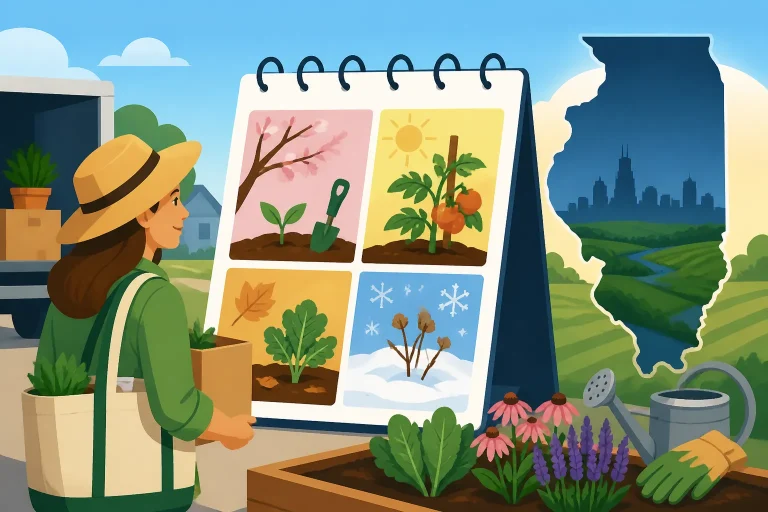
Building a local Illinois garden calendar after an out-of-state move means adjusting for regional seasons, site conditions, soil warmth, and frost risk.
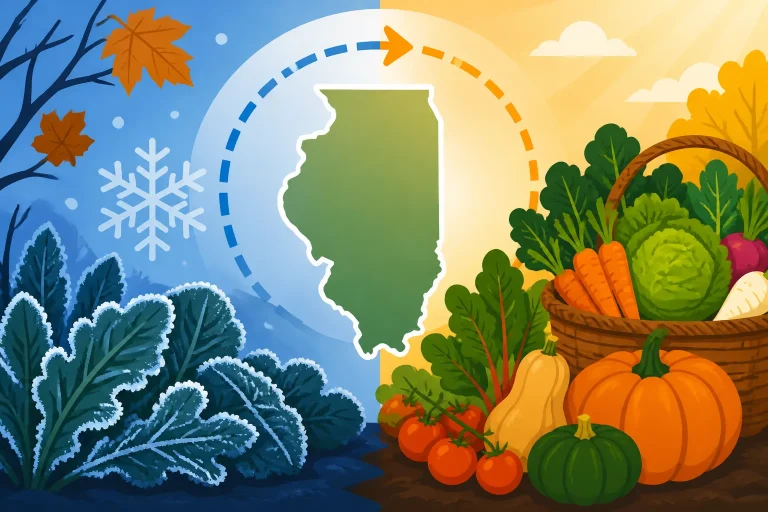
Counting back from Illinois fall freeze dates helps gardeners match crops to maturity time, allow a safety margin, and harvest before cold arrives.
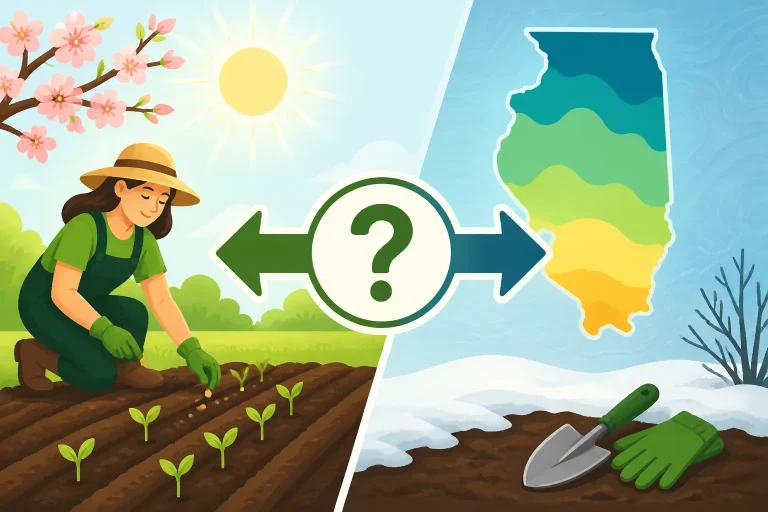
A warmer Illinois hardiness zone does not mean earlier spring sowing; time crops by soil warmth, frost risk, and local garden conditions instead.
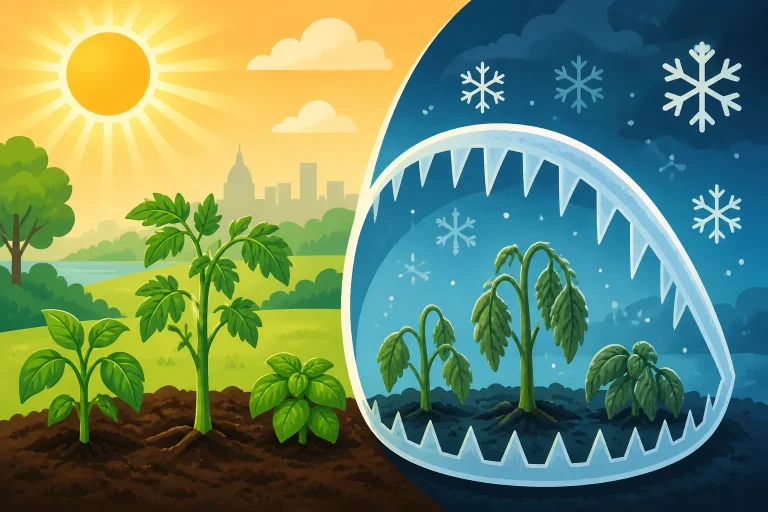
Early Illinois warmth can mislead gardeners into setting out tender crops too soon; use forecast, soil, and plant cues to reduce cold-weather risk.
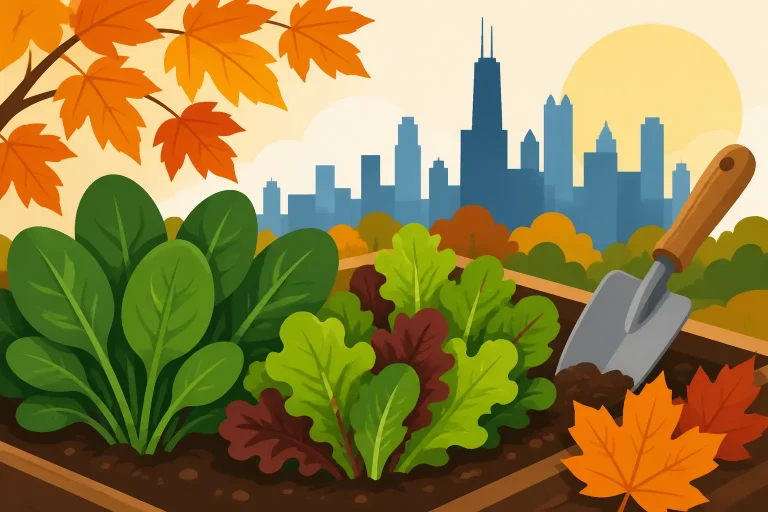
Chicago-area fall planting windows for spinach and lettuce help gardeners time sowing, manage heat, and keep autumn greens productive.
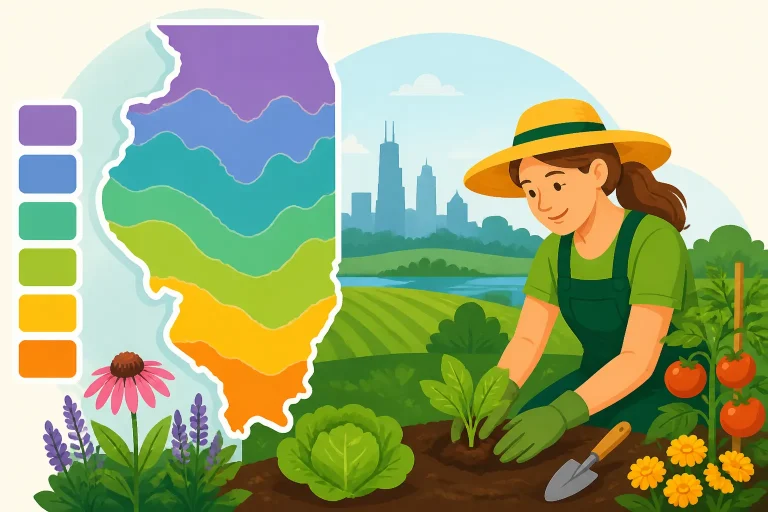
Illinois planting zones help screen plants for winter hardiness, but frost dates, soil, exposure, and crop-specific timing still guide planting decisions.
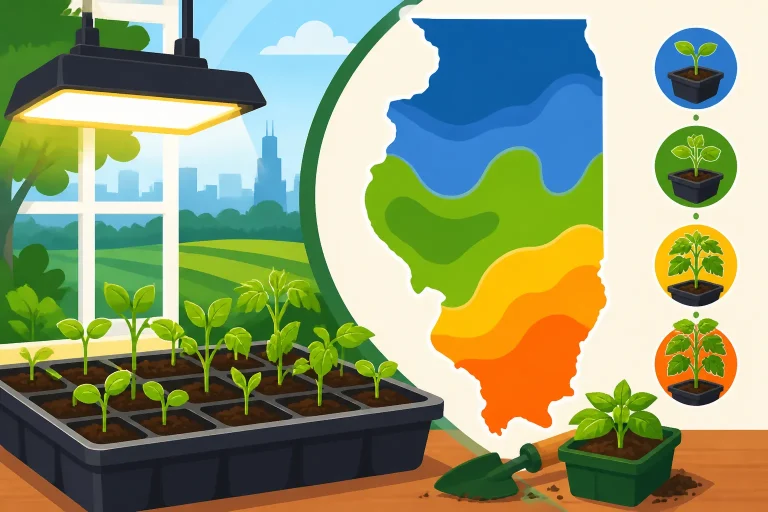
Illinois seed starting schedules help gardeners build regional indoor calendars for northern, central, and southern zones.
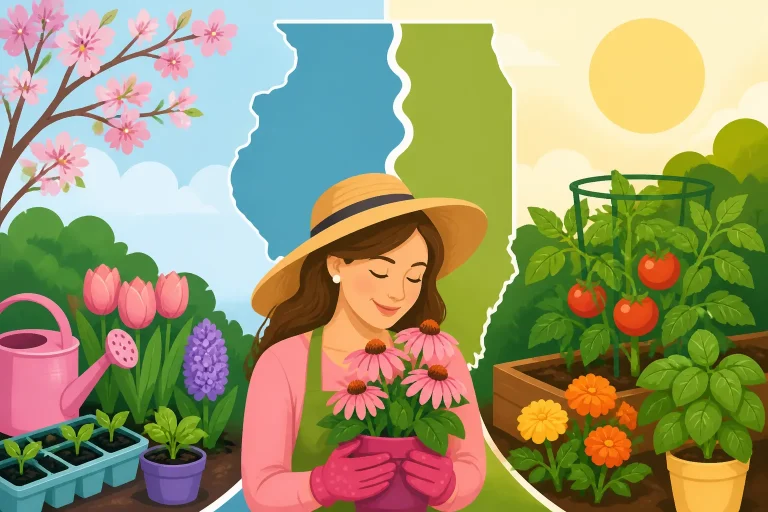
Mother’s Day planting in Illinois depends on region, crop tolerance, soil readiness, and the forecast—not the holiday alone.
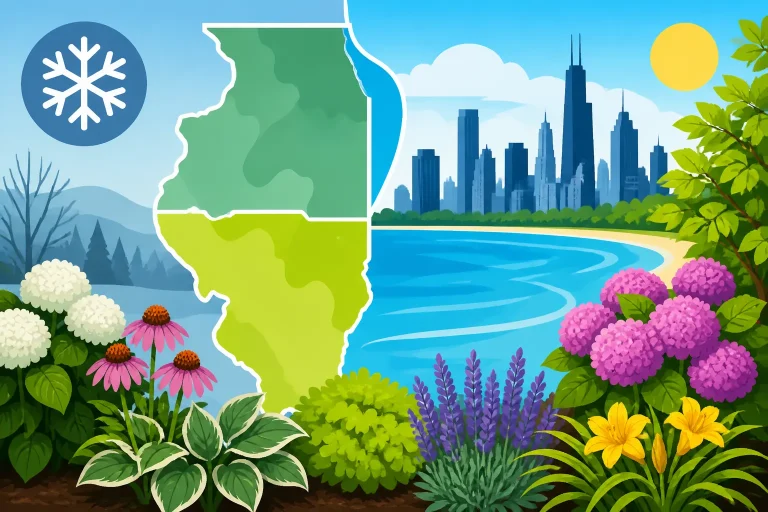
Chicagoland hardiness zones describe winter cold, not planting dates; use local microclimates and lake influence to choose plants and time garden work wisely.